William James White
In MyHeritage Family Trees
Save this record to your family tree
William James White
Save this record to your family tree
| Name | William James White |
| Birth | 1857 |
| Reference # | 161742 |
| Marriage | Marriage to: Zilpah White (born Reynolds)Nov 1878 |
| Marriage | Marriage to: Anna Elizabeth Christina White (born Leu)Aug 14 1886 |
| Death | Mar 28 1900 |
Family members
| Wife |
Anna Elizabeth Christina White (born Leu) 1870 - 1942 |
| Wife |
Zilpah White (born Reynolds) 1860 - 1884 |
| Children |
Anna Emelia Forbes (born White) 1887 - 1959 Alfred William White 1891 - 1891 Henry James White 1894 - 1973 Mabel Grace Duncan (born White) 1898 - 1983 Maude Ethel Bryant (born White) 1889 - 1976 William Ernest White 1896 - 1968 |
Source
MY FAMILY TREE Web Site
Updated on Aug 1 2023 (1 days ago)74,523 profiles in 8 family trees2962 photos
View full profile in this site greyrunner
William James White
In MyHeritage Family Trees
Save this record to your family tree
William James White
Save this record to your family tree
| Name | William James White |
| Birth | June 30 1857 |
| Reference # | 161742 |
| Marriage | Marriage to: Zilpah White (born Reynolds)Nov 1878 |
| Marriage | Marriage to: Anna Elizabeth Christina White (born Leu)Aug 14 1886 |
| Death | Mar 28 1900 |
Family members
| Wife |
Anna Elizabeth Christina White (born Leu) 1870 - 1942 |
| Wife |
Zilpah White (born Reynolds) 1860 - 1884 |
| Children |
Anna Emelia Forbes (born White) 1887 - 1959 Alfred William White 1891 - 1891 Henry James White 1894 - 1973 Mabel Grace Duncan (born White) 1898 - 1983 Maude Ethel Bryant (born White) 1889 - 1976 William Ernest White 1896 - 1968 |
Source
Lovett Web Site
Updated on July 25 2023 (8 days ago)280 profiles in one family tree12 photos
View full profile in this site
William James White
In MyHeritage Family Trees
Save this record to your family tree
William James White
Save this record to your family tree
| Name | William James White |
| Birth | June 30 1857 |
| Baptism | July 12 1857 |
| Departure | |
| Residence | Relationship: Son, Leeds, Yorkshire, England1871 |
| Arrival | May 2 1883 |
| Marriage | Marriage to: Anna Elisabeth Christina White (born Leu)Aug 14 1886 |
| Death | Mar 28 1900 |
Family members
| Parents |
James White 1823 - ? Mary White 1822 - ? |
| Wife |
Anna Elisabeth Christina White (born Leu) 1870 - 1942 |
| Siblings |
Enoch White 1851 - ? Sarah White 1862 - ? James White 1854 - ? |
| Children |
Anna Emelia White 1887 - 1959 Alfred William White 1891 - 1891 Henry James White 1894 - 1970 William Ernest White 1896 - 1968 Maude Ethel White 1889 - 1976 Alice Catherine White 1892 - 1973 May White 1896 - ? Mabel Grace Duncan (born White) 1898 - 1983 |
Source
White Web Site
Updated on Feb 16 2023 (5 months ago)851 profiles in 2 family trees30 photos
View full profile in this site| Name | Zilpah Reynolds & William James White | |||
| Marriage | Nov 11 1878 | |||
| Wife | Zilpah Reynolds | |||
Father | William Reynolds | |||
| Husband | William James White | |||
| Father | George White | |||
| Indexing Project (Batch) Number | M01260-1 | |||
| System Origin | England-ODM | |||
| GS Film number | 1545938 |
Census
William James White
In MyHeritage Family Trees
Save this record to your family tree
William James White
Save this record to your family tree
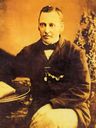
| Name | William James White |
| Birth | June 30 1857 |
| Reference # | 161742 |
| Marriage | Marriage to: <Private>Nov 10 1878 |
| Marriage | Marriage to: <Private>1886 |
| Death | Mar 28 1900 |
Family members
| Parents |
George White 1832 - ? Mary Ellen White (born Inman) 1835 - ? |
| Wife | |
| Wife |
Zilpah White (born Reynolds) 1860 - 1884 |
| Siblings |
Joseph White 1858 - ? Mary Ellen Mccrindle (born White) 1859 - 1901 |
| Children |
George Henry White 1882 - 1950 Maude Ethel Bryant (born White) 1889 - 1976 Henry James White 1894 - 1970 Mabel Grace Duncan (born White) 1898 - 1983 Anna Emilia Forbes (born White) 1887 - 1959 Alice Catherine Watt (born White) 1892 - 1984 William Ernest White 1896 - 1968 |
Source
Cody
Updated on July 27 2023 (6 days ago)15,686 profiles in one family tree14115 photos
View full profile in this site| Urban district | Warrington | Series | RG12 |
| Parish | Warrington | Piece | 3080 |
| Municipal ward | Orford | Enumerated by | Fredk Geo Taylor |
| Municipal borough | Warrington | Enum. District | 43 |
| Ecclesiastical district | St Elphins | Page | 111 |
| Parlamentary borough | Warrington | Line | 9 |
| Registration district | Warrington, Warrington | Image | 6 |
| County | Lancaster | ||
| Country | England | ||
| Date | 1891 |
| Name | William White |
| Gender | Male |
| Birth | Circa 1887 |
| Residence | 1891 |
| Age | 4 |
| Father | George White |
| Mother | Mary Ellen White |


